
Compost Woody Branches and Twigs Without a Shredder or Wood Chipper: Hammer + Fermented Compost Activator Method
If you compost at home, you already know this problem.
Kitchen scraps, grass clippings, dry leaves — they break down. But pruned branches, woody stems, and thick twigs? They just sit in the corner of your backyard or balcony, barely changing, month after month. Sometimes year after year.
Every guide says the same thing — get a wood chipper or shredder, reduce the particle size, problem solved. But most home gardeners don’t own one. And for the small amount of woody waste a kitchen or backyard garden produces, buying or renting a chipper is simply not worth it.
I’ve been composting woody garden waste for over 14 years without any powered equipment. What actually works is a two-step combination — a hammer to mechanically break down the woody material, and a traditional fermented compost activator that speeds up decomposition from the biology side. Together, they do what a wood chipper does, just differently.
In this article I’ll show you exactly how to do it, why the combination works, and what realistic breakdown timelines look like.
The Science of Woody Waste: Why Branches Refuse to Break Down
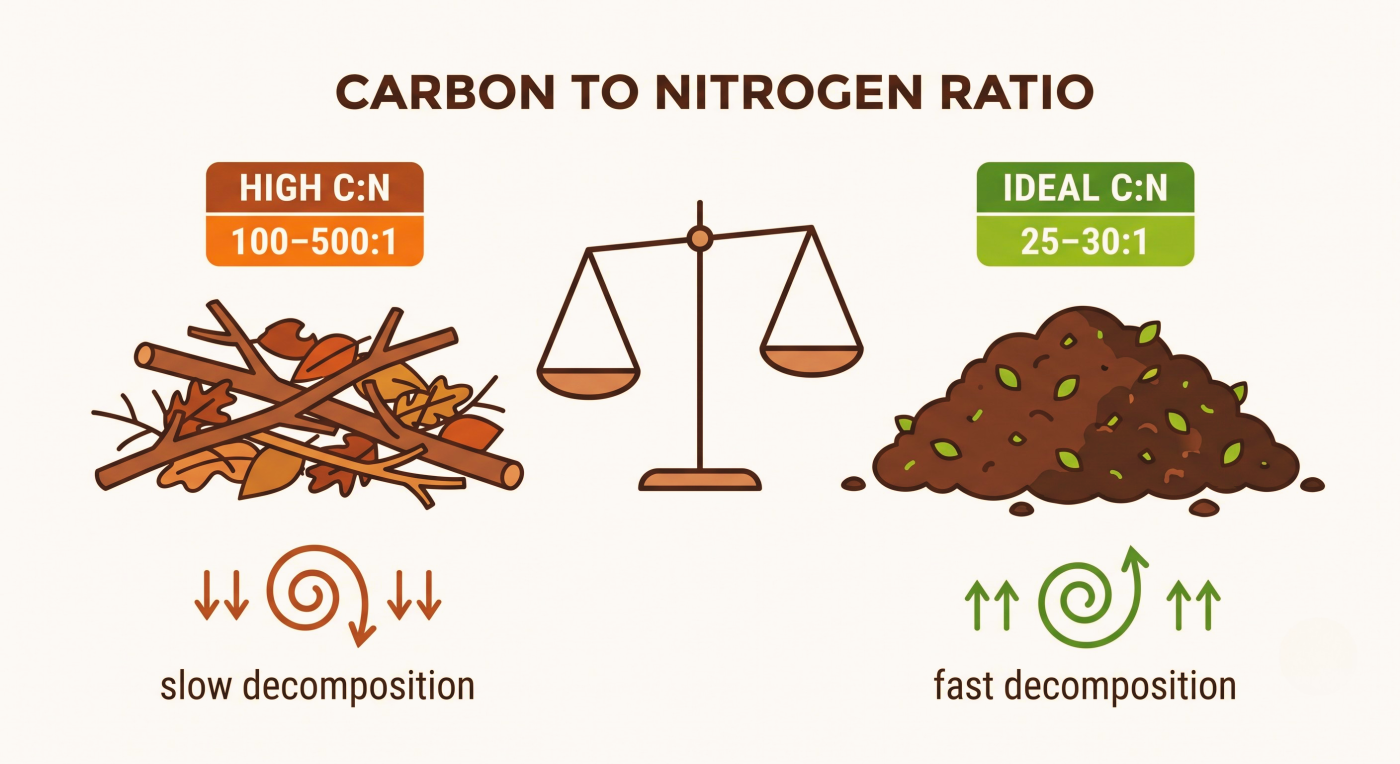
Woody materials like branches and twigs are rich in lignin and cellulose — tough, complex compounds that give plants structural strength. These are “browns” with extremely high Carbon-to-Nitrogen (C:N) ratios, often between 100:1 to 500:1 or more.
Microbes that do the composting work need a balanced diet. The ideal C:N ratio for fast composting is 25–30:1. When you add lots of woody waste without enough nitrogen, microbes “rob” nitrogen from the pile (or your soil) to break down the carbon. The result? A slow, cold pile that can take years.
Think of it this way: you have plenty of fuel (carbon from branches), but no spark (nitrogen) to ignite the decomposition fire. The microbes are there, but they can’t multiply fast enough to do the work.
Key insight from my experience: You must address two things simultaneously — increase surface area (physical prep) and supply nitrogen + powerful microbes (treatment). Do both, and decomposition accelerates dramatically.
Step 1: The Hammer Technique – Your Affordable Shredder Alternative
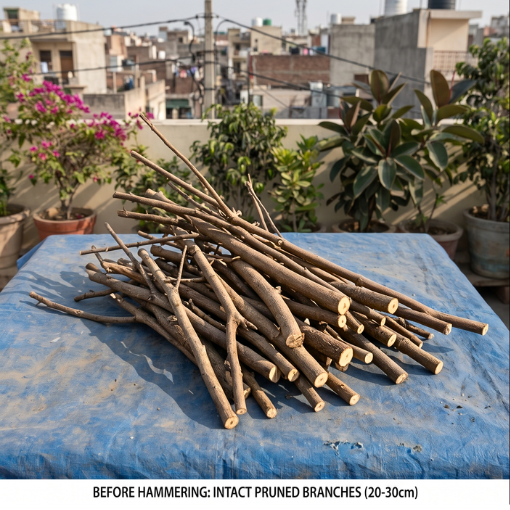
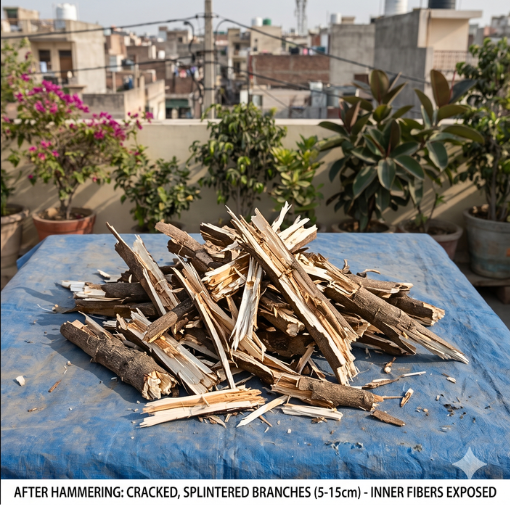
You don’t need a ₹15,000–30,000 ($200–$400) electric shredder. A simple heavy-duty hammer (or mallet) does 80% of the job on a home scale.
How to Hammer Twigs and Branches Effectively:
1. Collect fresh or semi-dry prunings (avoid completely dead, brittle wood if possible).
2. Spread them on a sturdy surface — old tarp, concrete floor, or wooden block.
3. Wear safety gloves and glasses.
4. Hammer along the length to crush and split the wood, aiming for pieces 5–15 cm (2–6 inches) long. Focus on cracking them open rather than turning them into dust.
5. For thicker branches (up to 3–4 cm / 1–1.5 inches diameter), hammer from multiple angles until they splinter.
Pro Tip: Do this in the morning when it’s cooler. One hour of hammering can process enough material for a full bin. Many of my students in India hire a daily wage laborer for bigger cleanups — still far cheaper than buying a shredder. In the USA or other countries, this is a great weekend workout that saves money and gym fees.
A 1–2 kg (2–4 lb) heavy claw hammer or rubber mallet. I’ve used the same one for years.
This step multiplies surface area, allowing microbes to attack much faster. The cracked-open wood exposes the inner fibers to nitrogen and microbial action—exactly what you need.
🛒 SnG Gardeners Recommend
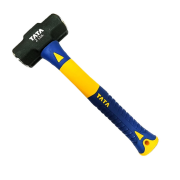
Heavy Duty Hammer
Firm Grip, Durable Handle, Comfortable to Use
🌱 14 Years Experience
As an Amazon Associate, I earn from qualifying purchases. This comes at no extra cost to you.
🛒 SnG Gardeners Recommend
Heavy Duty Hammer
Firm Grip, Durable Handle, Comfortable to Use
🌱 14 Years Experience
As an Amazon Associate, I earn from qualifying purchases. This comes at no extra cost to you.
SnG Gardeners Recommens
Steel Sledge Hammer For Twigs Opening
Firm Grip, Durable Handle, Comfortable to Use
View Best Deals on Amazon ->
Shop on Amazon ->
14 Years
As an Amazon Associate, I earn from qualifying purchases. This comes at no extra cost to you.
SnG Gardeners Recommends
14 Years of Home Gardening Experience
Steel Sledge Hammer For Twigs Opening
Firm Grip, Durable Handle, Comfortable to Use
As an Amazon Associate, I earn from qualifying purchases. This comes at no extra cost to you.
🌱 SnG Gardeners Recommend
Steel Small Sledge Hammer
Firm Grip, Durable Handle, Comfortable to Use
View Best Deals on Amazon →
Shop on Amazon →
🌱 14 Years Experience
As an Amazon Associate, I earn from qualifying purchases. This comes at no extra cost to you.
Step 2: The Nitrogen "Secret Sauce" – Cow Urine, Dung & Trichoderma
This is where the real magic happens. Pre-treating hammered wood with nitrogen sources feeds the microbes and balances the C:N ratio.
Comparison of Nitrogen Accelerators for Woody Waste
🌿 Cow Urine (diluted)
Speed: High
Cost (India): Free/Low
Best For: India daily use
Readily available, works great with Trichoderma
🌿 Cow Dung Slurry
Speed: High
Cost (India): Free/Low
Best For: India bulk piles
Adds beneficial microbes too
🍄 Trichoderma Powder
Speed: Very High
Cost (India): ₹200–500
Cost (USA): $10–$20
Best For: All regions
Produces enzymes that break tough lignin
⚠️ Urea (use sparingly)
Speed: Very High
Cost: Very Low
Best For: Quick nitrogen boost
Risk of overdose — use carefully
💧 Human Urine (diluted)
Speed: High
Cost: Free
Best For: International readers
Excellent nitrogen source, culturally acceptable in many regions
Cow Urine Method (My Go-To for India)
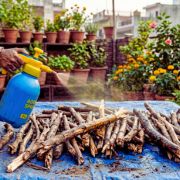
Dilute fresh cow urine 1:5 to 1:10 with water. Hammered twigs get thoroughly sprayed until moist but not dripping. Let them sit covered for 24–48 hours before layering.
In India, cow urine is easily available from local gaushalas (cow shelters) or dairy farms. It's free or costs very little. For international readers where cow urine isn't practical, skip to the Trichoderma or human urine method below.
Trichoderma Application (Science-Backed Accelerator for All Regions)
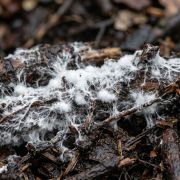
Trichoderma harzianum and viride produce cellulase and lignin-degrading enzymes. Studies show 30–50% faster composting of lignocellulosic materials, with better nutrient retention.
Practical Application:
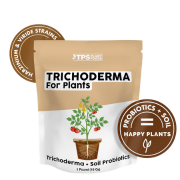
• Mix 5–10g Trichoderma powder per liter of water (add a spoon of jaggery or molasses for activation).
• Spray on nitrogen-treated twigs.
• Or sprinkle dry powder (approx. 10g per kg material) between layers.
• Look for white mycelium growth within 5–14 days — a sign of success.
Pro Tip from India: Combine cow urine spray + Trichoderma. The urine provides quick nitrogen while Trichoderma handles the tough lignin. This duo works exceptionally well in our warm Indian climate (25–35°C / 77–95°F ideal).
For USA and other regions: Use diluted human urine (1:10 with water) or a commercial nitrogen source like blood meal, then apply Trichoderma. The science is the same regardless of your nitrogen source.
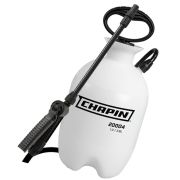
Garden Sprayer
A good quality sprayer makes application easy and even. I've been using the same 2-liter hand pump sprayer for 3 years.
Step 3: Building the Cylindrical Bin or Grow Bag System for Volume Management
Urban gardeners need systems that handle volume without taking over the terrace or backyard.
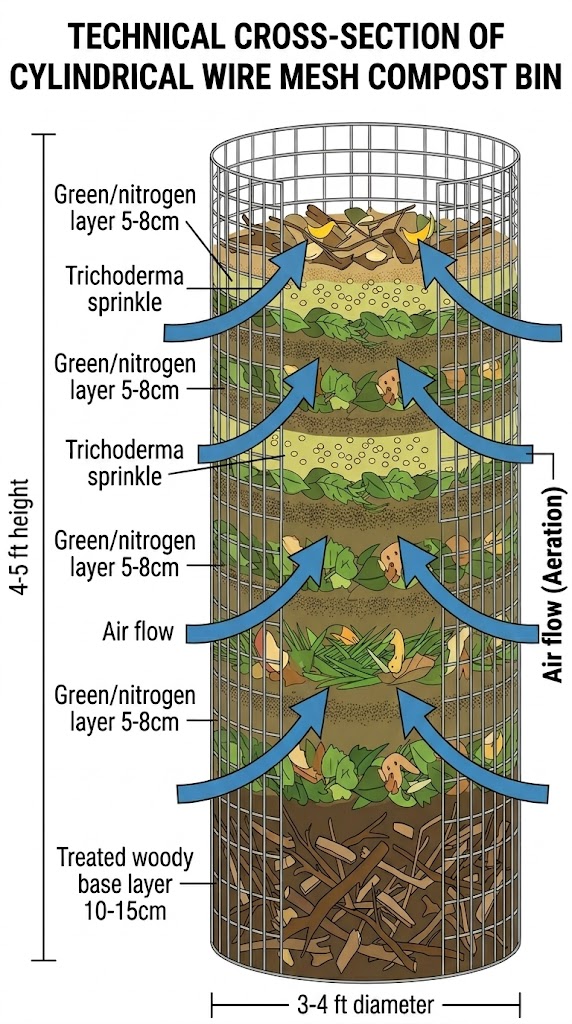
Cylindrical Wire Mesh Bin (My Favorite)
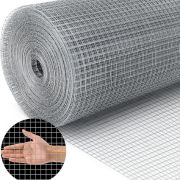
• Roll fencing wire mesh (4–5 ft / 120–150 cm high) into a cylinder (3–4 ft / 90–120 cm diameter).
• Secure with zip ties or wire.
• Place on a base of bricks or plastic sheet for drainage and aeration.
• Fill in layers: treated woody base → green/nitrogen layer → repeat.
• Benefits: Excellent airflow, easy turning, scalable.
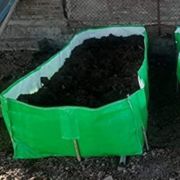
Grow Bag Staging Method (Space-Saving)
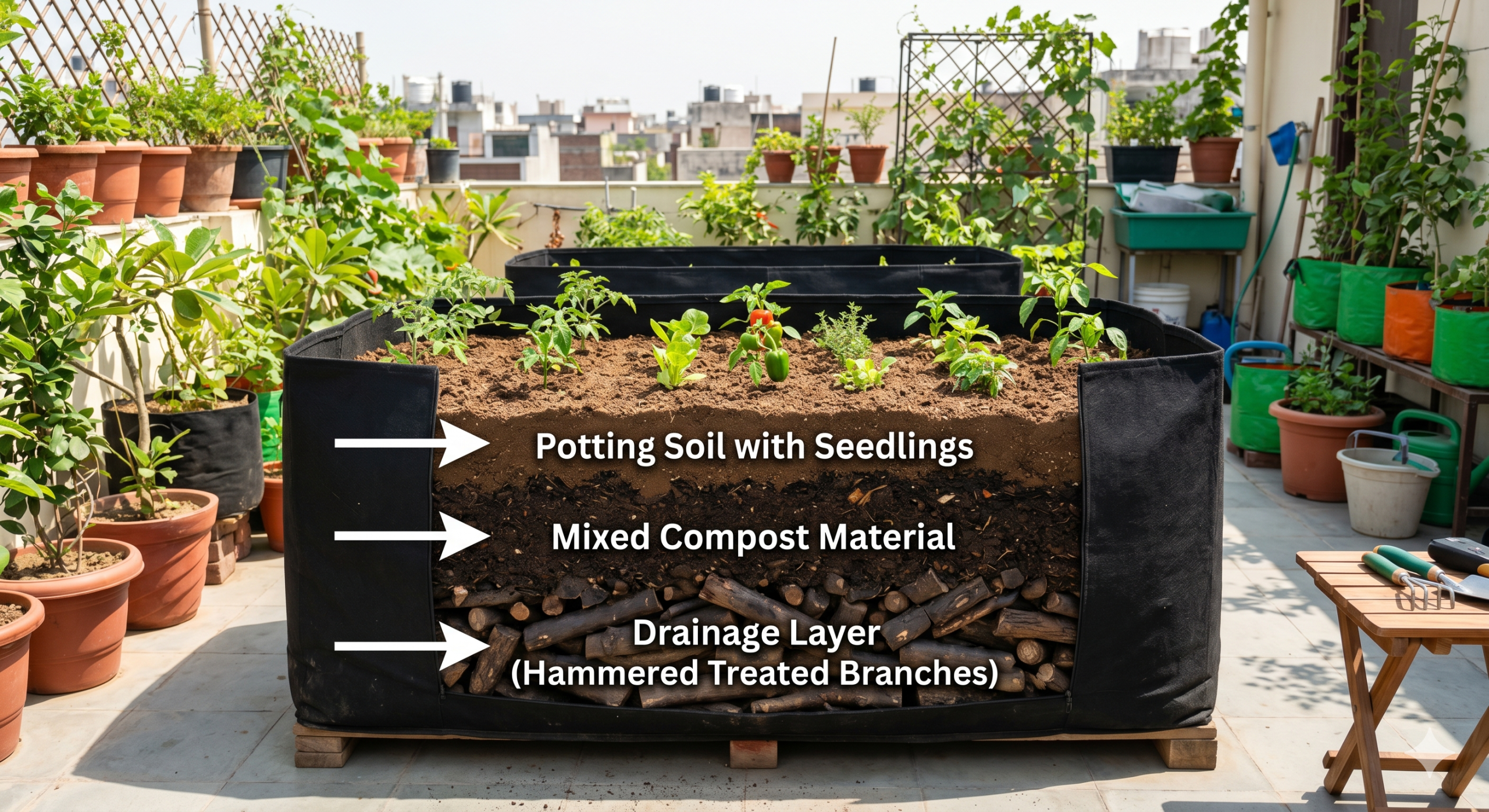
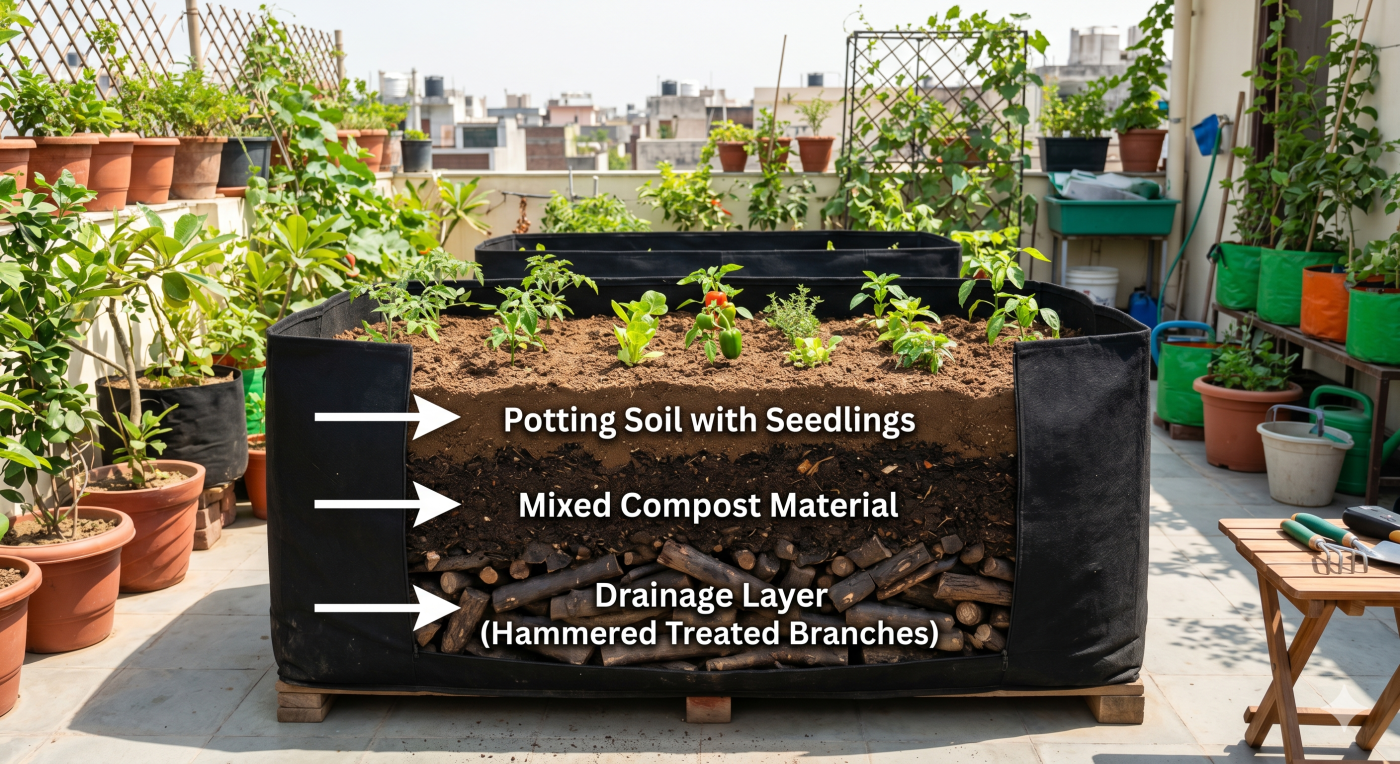
• Use large 8×4 feet (240×120 cm) or similar grow bags.
• Bottom 1/3: Hammered and treated branches as a drainage layer.
• Middle: Mixed compost materials.
• Top: Potting mix for direct planting.
• The woody layer slowly releases nutrients while improving drainage — perfect for long-term containers.
Layering Recipe (for fast results)
• 10–15 cm (4–6 inches) treated woody layer
• 5–8 cm (2–3 inches) greens/kitchen waste/cow dung or manure
• Sprinkle Trichoderma
• Repeat until full
• Maintain moisture like a wrung-out sponge
• Turn every 7–14 days
This system integrates beautifully with my 2-3-4 composting Method. Use your woody pre-treated material as the "brown" input in the 2-3-4 pile for faster overall cycles.
Troubleshooting & Expected Timeline
Week 1–2: Pile heats up, white Trichoderma mycelium appears, mild earthy smell.
Week 4: Noticeable breakdown, volume reduces 30–50%.
Week 8–12: Dark, crumbly compost ready for use (screen out larger pieces for next batch).
Common Issues & Fixes:
• No heat: Add more nitrogen or Trichoderma, turn pile.
• Bad smell: Too wet or too much nitrogen — add dry browns and aerate.
• Slow progress: Check moisture and piece size.
Climate-Specific Note:
• For hot climates (India, Southern USA, Australia): In our Delhi summers where the terrace hits 45°C (113°F), your woody pile will dry out fast. Check moisture every 2 days—if it's bone dry, the microbes will go dormant. Keep it moist like a wrung-out cloth (bhiga hua kapda in Hindi).
• For cold climates (Northern USA, Canada, Europe): Composting slows significantly below 10°C (50°F). Move bins to a sheltered, sunny spot. Insulate with straw or old blankets. The process continues but at a slower pace—expect 12–16 weeks instead of 8–12.
DIY vs Commercial Options
DIY Route: Hammer, free cow urine/gobar (or human urine internationally), wire mesh (cheap from local hardware), Trichoderma powder. Total cost under ₹500 ($7–10) for first setup.
Commercial: Ready compost bins, branded accelerators, grow bags. Convenient but costlier.
I recommend starting DIY and scaling with proven products.
FAQ
How to speed up branch composting?
Pre-treat hammered branches and twigs with nitrogen sources like diluted cow urine (India), human urine (international), or Trichoderma. Hammer into small pieces, maintain C:N ratio around 25-30:1, and use aerated bins. This combination can reduce decomposition time from years to 6–12 weeks.
Can you compost twigs?
Yes, twigs and branches can be composted successfully. Chop or hammer them into smaller pieces, pre-treat with nitrogen (cow urine, dung, human urine, or Trichoderma), and mix with green materials. Proper preparation prevents slow breakdown and nitrogen robbery.
What nitrogen for woody waste?
For woody waste, use cow urine (diluted 1:5 to 1:10), fresh cow dung slurry, Trichoderma inoculant, human urine (diluted 1:10), or small amounts of urea. These provide the nitrogen needed to balance the high C:N ratio of branches (100–500:1) and accelerate microbial activity.
Is Trichoderma safe for vegetable gardens?
Yes, Trichoderma is completely safe and beneficial. It not only accelerates composting but also suppresses soil-borne diseases when the finished compost is used in your vegetable garden.
Where to buy Trichoderma in India?
Amazon India, Flipkart, or local Beej Bhandar (seed stores). Popular brands include OrganicDews, Multiplex, and various state agricultural university products. Look for high CFU (colony-forming units) count.
Where to buy Trichoderma in USA?
Amazon, local garden centers, or online gardening stores. Look for products labeled as "compost inoculant" or "bio-fungicide" containing Trichoderma species.
How much to hammer?
Smaller pieces = faster results. Aim for 5–15 cm (2–6 inches) pieces. The goal is to crack open the hard exterior, not pulverize into sawdust.
Can I use this method without cow urine?
Absolutely. Use human urine (diluted 1:10), blood meal, alfalfa meal, or any high-nitrogen organic source. Trichoderma works with any nitrogen source—the science is the same.
Final Thoughts & Your Next Step
You no longer need to dread pruning day or watch woody waste pile up. With this Hammer + Cow Urine + Trichoderma approach, you turn a problem into a resource — right on your compact terrace or backyard.
Start small this weekend. Hammer one bucket of twigs, treat with your nitrogen source and Trichoderma, and build your first cylindrical bin. In a few weeks, you'll see the transformation for yourself.
Join Our Gardening Community
Have questions about your specific setup? Drop them in the comments below—I or my team read every one.
Want to connect with 250+ fellow home gardeners solving real composting challenges? Join our WhatsApp Community Group where we share weekly tips, troubleshooting advice, and celebrate harvests together.

SnG Gardeners has 14+ years of hands-on home gardening experience growing food in containers and small spaces. He runs shashingautam.in and the YouTube channel "Shashi N Gautam Kitchen Gardeners" (163,000+ subscribers), where every technique and recommendation comes from real-world testing — not theory. When SnG writes about a method, it's one he's used, tracked, and would use again.
Beginner Gardening Made Simple: Containers, Compost, Seeds & Organic Pest Control
Growing vegetables and fruits in pots, made simple: soil basics, compost, easy crops, and organic pest fixes for first-time gardeners.
All
Compost Branches & Twigs Without Shredder: Cow Urine + Hammer Method
All
How to Make Compost Faster at Home: The Proven 2–3–4 Method That Actually Works
All
One Simple Trick to Save Your Terrace Garden This 45°C Heatwave
All
Planting seedlings in containers
All
When Do Seedlings Need Fertilizer? Beginner’s Guide
All
Essential Gardening Tools for Beginners: Complete Guide 2025
All
🌱 Plan Your First Garden – Easy Crops for Beginner Success! 🌱
All
Complete Home Vegetable Gardening Course – Soil – The Foundation of Growth
All
Stop Killing Your Broccoli Seedlings! Easy Fix for Beginners
All
How to Grow Blueberries in Pots in India – Best Varieties, Chill Hours & Care Tips
All
How to Grow Strawberries in Pots — Complete Guide for Home Gardeners
All Plant Disease and Pests
Yellowing of Leaves in Plants: The #1 Hidden Reason (Not Pests, Not Nutrients!)
Plant Disease and Pests
Is Mosaic Virus or Leaf Curl Virus in Plants Treatable?
All organic seeds
High Yeild Quality Capsicum Seeds for Home Garden
Growing Mango In Pot गमले में फ्रूट्स उगाये
A Beginner’s Guide to Buying the Perfect Grafted Mango Plant
All गमले में फ्रूट्स उगाये
Pusa Plant Nursery – New Delhi
All Gardening Video organic fertilizers
Is Charcoal Good for Plants and Soil? The Complete Honest Answer
All organic fertilizers
How to Make Organic Liquid Fertilizer from Mustard Cake — 5x More Potent
All
Big Pots vs Good Soil: Which Wins?
Gardening Video
मिर्ची / चिली उगाए कैसे – ये 2 गलती कभी न करे
All Gardening Video गमले में फ्रूट्स उगाये
बिगिनर गाइड: अमरूद गमले में कैसे उगाये?
organic Insecticide Plant Disease and Pests
Mealybugs on Hibiscus: Organic Spray That Kills Every Life Stage
All Plant Disease and Pests
Powdery Mildew Control
Gardening Video Plant Disease and Pests
How to Get Rid of Leaf Miners Naturally (5 Organic Methods That Work)
Gardening Video Tips & Tricks for Growing Fruits in Home Garden
Can a Papaya Plant Grow in a Pot & produce Fruit? Video (Hindi)
Customers
Gardening Success Shared By Our Fellow Gardeners
Gardening Video Tips & Tricks for Growing Fruits in Home Garden
5 Amazing Tips For Growing Strawberries at home -Video (Hindi)
Gardening Video Tips & Tricks for Growing Fruits in Home Garden
Secret of Growing Bigger Strawberries -Video (Hindi)
Growing vegetables from seeds
Tips for growing vegetables from seeds at home
Growing vegetables from seeds
6 Tips for Successful Germination Of Seeds